

How should the issue of oil clogging in refrigeration compressors be handled?
Jul 15, 2026
This article begins by examining the causes of oil blockage, detailing four primary contributing factors: oil degradation, system contamination, obstructed oil return, and refrigerant dilution. It then proposes systematic solutions—such as replacing refrigeration oil, cleaning oil circuits, improving oil return piping, and optimizing refrigerant selection—to provide theoretical guidance and practical references for the prevention and remediation of compressor oil blockages.
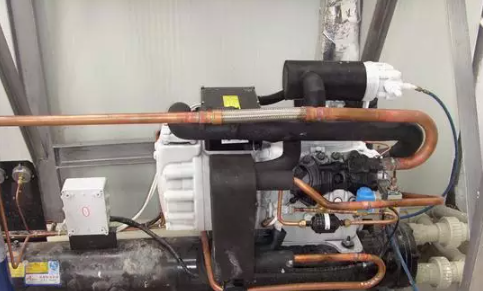
Analysis of the Causes of Oil Clogging:
1.1 Oil Degradation
Under the influence of prolonged high temperatures and exposure to oxygen, moisture, and acids, compressor refrigeration oil undergoes a series of chemical reactions—such as oxidation, hydrolysis, and polymerization—producing substances like sludge, gums, and carbon deposits. These substances are highly viscous and tend to adhere to oil passage walls, clogging components such as oil nozzles and filters. Polyester (POE) oils, in particular, exhibit poor thermal stability; they decompose easily and are highly sensitive to hydrolysis. Consequently, oil degradation is the primary cause of oil-related blockages.
1.2 System Contamination
During the assembly, maintenance, and operation of refrigeration systems, contaminants such as iron filings, welding slag, dust, and scale inevitably enter the system. Subjected to the scouring action of high-speed oil flow, these contaminants gradually wear down or flake off and are carried into the compressor. Larger particles can directly block oil passages, while smaller particles may bridge across narrow channels, gradually accumulating to cause a blockage. Contamination issues are particularly prevalent in small compressors used in automotive air conditioning and commercial freezers.
1.3 Obstructed Oil Return
Impeded oil return is another major cause of oil-related blockages. On one hand, oil discharged from the compressor may cool and frost over, increasing its viscosity and the resistance to return flow. On the other hand, design issues—such as excessive bends, insufficient slope, or undersized diameters in the return piping—can hinder the oil’s return. Additionally, frost formation on the evaporator can block capillary oil return lines. Once oil return is obstructed, the compressor fails to receive timely oil replenishment; the oil level drops progressively, eventually leading to bearing failure or shaft seizure. Oil return issues are especially common in low-temperature refrigeration and heat pump systems.
1.4 Refrigerant Dilution
Refrigerants possess a certain degree of oil solubility—a characteristic that has become more pronounced with the shift from hydrochlorofluorocarbons (HCFCs) to hydrofluorocarbons (HFCs). Under high-pressure conditions, significant amounts of refrigerant dissolve into the refrigeration oil, drastically reducing its viscosity. When the system shuts down, the dissolved refrigerant rapidly vaporizes, carrying away some of the oil and resulting in an insufficient oil level within the compressor. Simultaneously, the accumulation of refrigerant can trigger liquid hammer effects and accelerate the formation of sludge. The dilution issue is particularly pronounced in ammonia systems and transcritical CO2 systems.
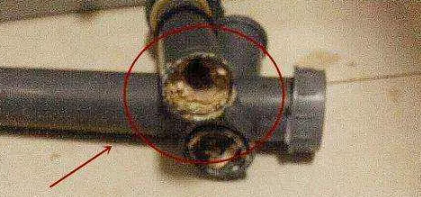
Methods for Handling Oil Blockages:
2.1 Replacing Refrigeration Oil
Regularly replacing refrigeration oil is an effective way to prevent oil degradation. The service life of refrigeration oil is generally two years, though this may be shortened in special operating environments. When changing the oil, completely drain the old oil, flush the oil circuit with flushing oil, and then inject fresh oil. The viscosity of the flushing oil should be similar to that of the new oil, and the quantity used should be 1.5 times the system’s total oil capacity. After the oil change, run the compressor for 3 to 4 hours to allow the flushing oil to fully dissolve any residues. Multiple flushing cycles may be necessary until the flushing oil runs clear. When selecting oil, consider factors such as compressor type, refrigerant type, evaporation temperature, and ambient temperature, and prioritize high-quality products.
2.2 Cleaning the Oil Circuit
Cleaning the oil circuit removes contaminants and sludge from piping and components. For localized blockages in oil passages, use a high-pressure oil gun to flush repeatedly; for clogged filters, soak in solvent and scrub with a brush; for severe contamination, disassemble the components and use ultrasonic cleaning. Select cleaning agents compatible with the refrigeration oil, such as white spirit or hydrocarbon-based cleaners. Thoroughly dry components after cleaning to prevent residual solvent from affecting lubrication. During maintenance and repair, minimize the time the system remains open to prevent the ingress of impurities and moisture.
2.3 Improving the Oil Return Line
Proper design of the oil return line effectively improves oil return. First, shorten the return path, reduce the number of elbows, and lower flow resistance. Second, increase pipe diameter to reduce flow velocity and pressure loss. Third, ensure a proper slope (ideally greater than 1:100) to facilitate oil flow. Fourth, enhance thermal insulation to raise the evaporation temperature and lower oil viscosity. If necessary, implement forced oil return measures, such as installing oil return pumps or capillary tubes. Installing an oil collector at the evaporator inlet helps reduce oil accumulation within the evaporator. Regular defrosting and cleaning of the evaporator ensure the oil return line remains unobstructed.
2.4 Optimizing Refrigerant Selection
Selecting the appropriate refrigerant can minimize the impact of dilution on the refrigeration oil. Generally speaking, the higher the critical temperature and the greater the molecular weight of a refrigerant, the lower its solubility. Therefore, refrigerants with high critical temperatures—such as R134a, R404A, and R507A—are preferred. For ammonia systems, it is advisable to use refrigeration oil specifically designed for ammonia to minimize solubility losses. For CO2 systems, diester oils or polyol ester (POE) oils are recommended due to their superior compatibility with CO2. During system design, the evaporation temperature and intermediate pressure should be controlled to prevent excessive refrigerant dissolution.
